Table Of Content
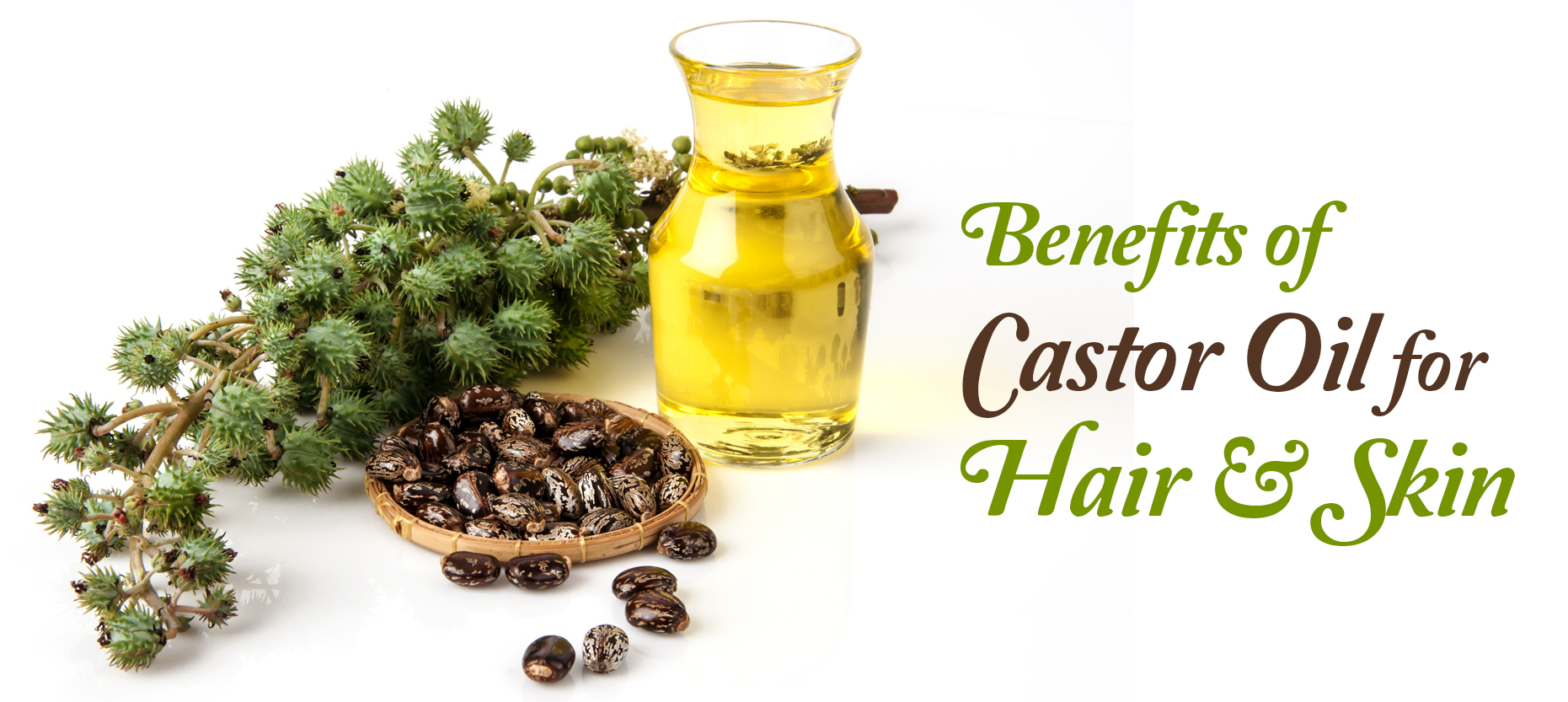
The only potential disadvantage of using castor oil for hair growth is that it is so heavy that it can be difficult to wash out of your scalp, potentially causing buildup, acne, and overall a greasy scalp, notes Dr. Cheung. If you're interested in growing longer, stronger hair, chances are you've come across castor oil in your search. The ingredient dates back to Ancient Egypt, and is still prized for its beauty benefits. Castor oil is pretty hydrating, and can be used on hair and lashes to moisturize the hair and prevent breakage, says Philip B., founder of Philip B. Haircare. "It also contains fatty acids which nourish the hair follicles," adds board-certified dermatologist, Tiffany Clay, MD. Explains that if you looked at the molecular structure of castor oil, you'd see that it's a glycerol with a long-chain fatty acid.
Fable & Mane HoliRoots Hair Growth Oil & Scalp Oil Treatment
There's also anecdotal evidence to suggest it can be effective on the eyelashes and eyebrows. Nazarian says that while the oil is a known irritant for many, strategically applying a very small amount to eyelashes or eyebrows may help induce regrowth through a specific, localized region. If you're concerned about getting an allergic reaction, do a test patch on a small area of your skin before applying it to these sensitive areas. Do a patch test before you use any new product, including castor oil, on your skin. Put a little drop of the oil on your hand or face and wait a few hours to see if it causes irritation or an allergic reaction. Castor oil has long been used as a folk remedy to jumpstart labor; in addition to stimulating intestinal contractions, some animal studies suggest that it could trigger contractions in the uterus.
Lush Honey I Washed My Hair Shampoo Bar
One study discovered a rare condition called acute hair felting, where the hair became hard, twisted, and entangled. These symptoms occurred following the use of castor oil for the first time by healthy individuals. However, while other plant oils have been well investigated for potential skin benefits, castor oil has not. This means that any skin benefits of castor oil have yet to be scientifically proven.
What Are the Side Effects of Castor Oil?
Dilute the castor oil with another vegetable oil like avocado, grapeseed, or coconut. Start with 1 tablespoon of each oil (double if you have long or very thick hair). You can use castor oil to calm frizz by working it into your hair directly. How much you will need will depend on the length and thickness of your hair, and also how dry it is.
Castor Oil for Hair in 2023: The Benefits, Risks, and How to Use - Cosmopolitan
Castor Oil for Hair in 2023: The Benefits, Risks, and How to Use.
Posted: Tue, 28 Nov 2023 08:00:00 GMT [source]
While hair oiling is generally safe, there are some potential risks to keep in mind. First, “leaving hair oil on for too long can lead to occlusion of the follicles and can contribute to seborrheic dermatitis,” says Dr. Spann. So, if you sleep with it overnight, make sure to wash yours out after 8 to 10 hours with shampoo. And if you notice your scalp starts to feel irritated, flaky, or itchy—aka the opposite of how you want your scalp to feel after oiling—stop oiling ASAP and make an appointment with your dermatologist. If you don’t have the patience to leave it overnight—or your scalp tends to be oil-prone—try hair oiling as a pre-shampoo treatment. Simply leave your hair oil on for at least 30 minutes, up to an hour, before shampooing and conditioning your hair as usual.
Using a small amount of castor oil in your eyebrow brush is a quick and easy way to keep eyebrows smooth and flat—or, if it's your style, try it to keep them brushed up straight. Dip your fingertips into the mixture and massage into your scalp, starting at the back where your hairline meets your neck, and working toward the front. The information in our articles is NOT intended to replace a one-on-one relationship with a qualified health care professional and is not intended as medical advice. You'll also need to use it before it reaches the end of its shelf life. Once opened, castor oil will start to go rancid after about one year. The use of this website means that you accept the confidentiality regulations and the conditions of service.

Before bed, dip a clean spoolie brush or Q-tip lightly in castor oil (you only need the smallest amount) and carefully swipe it along your lash line, making sure to avoid getting it in your eye. In the morning, wash your face with your regular cleanser to remove any excess oil. We may earn commission from links on this page, but we only recommend products we love. The first thing you should know about castor oil that is you don’t need to apply a ton of it to see results, so it's okay to use it sparingly. You also don’t need to use castor oil every day, as Ruggeri notes that it's best to be applied on a weekly basis. Popular posts on TikTok show people smearing castor oil over their eyelids in the hopes of sharpening their vision, reducing eye floaters or even improving cataracts or glaucoma.
Meet our experts

It’s marketed as a treatment for dry scalp and other scalp conditions as well. While the heavy oil may be great for hydrating the skin, it can also lead to buildup and trigger scalp acne along your hairline, Dr. Scott adds (more on that below). If you have super tight, 4C curls that tend to soak up moisture, go ahead and use castor oil two to three times per week. People with fine, straight hair, however, should stick to once or twice per week max, according to Dr. Scott. Apply it an inch behind your hairline, massage it in like a deep-conditioning treatment, and wash it out after a few hours or the next morning, if you use it overnight, she says.
“I’d suggest using it on washed and conditioned hair that is still damp; you want to seal that moisture in before styling and apply heat,” Dr. Clay notes. Then, apply a small amount of castor oil to your hair by rubbing it together in your hands and distributing it evenly over the ends of your hair. Adding it to your ends will help lock in hydration and shine that you might otherwise be missing.
"There is no evidence for it and no scientific theory supporting that it would work. So yes, it's a total myth." Both Dr. Green and Emmanuel agree that less is more when it comes to using the oil. Because it’s so thick, it can clog pores, cause build-up, and even lead to scalp irritation.
However, it has also been studied for other potential uses, like inducing labor, relieving arthritis pain, and moisturizing skin. Many of these claimed benefits of castor oil are not well-supported by evidence. This is because castor oil has moisturizing properties, which could help lubricate the hair shaft, increasing flexibility and decreasing the chance of breakage. Keep in mind that castor oil topical wound treatments contain a combination of ingredients, not just castor oil. You should not apply castor oil to any wound without checking with a healthcare professional first. Castor oil is rich in ricinoleic acid, a monounsaturated fatty acid known for its moisturizing properties.
Derived from the seeds of the castor bean (Ricinus communis), castor oil has industrial applications as a lubricant as well as use as an additive in cosmetics and foods. Oftentimes, supplements may interact with various medications or other supplements. In the case of castor oil, drug or supplement interactions are not well-documented. The castor oil plant, Ricinus communis, contains ricin, which is a known toxin. Fortunately, the ricin is removed from the castor bean in making castor oil.
According to the product developer, the largest difference between the two types of castor oil is just how they’re processed. “There are differences in color and composition that result from the different processing methods (weight, color, scent), but in terms of benefits for the hair and scalp, the nutritional factors do not differ greatly,” she says. Castor oil is safe to use for most people, specifically those with medium, thick, and coarse hair types. According to Gregorio Ruggeri, trichologist and owner of Salon Ruggeri in New York City, the oil can weigh down thin and/or straight hair since it's thicker than most other oils. But scroll through social media and you’ll find various other health claims for the oil — which is pressed or extracted from castor beans. According to some, castor oil might ward off wrinkles, sharpen vision, induce labor, boost hair growth or even shrink tumors.
Castor Oil Benefits: Does It Work For Skin, Hair or Digestion? - TODAY
Castor Oil Benefits: Does It Work For Skin, Hair or Digestion?.
Posted: Wed, 24 Jan 2024 08:00:00 GMT [source]
“Fatty acids provide essential proteins and nutrients to hair follicles and prevent hair follicle inflammation,” says Bridgette Hill. Castor oil has hydrating and nourishing properties, helping you avoid hair breakage and damage. The fatty acids in the oil have enhanced penetration, making them able to provide a soothing, strengthening effect in the hair follicles. (It specifically causes a change in the reflection of your hair strands, Dr. Bailey says.) However, it can make your hair mat up, which is why Dr. Bailey recommends diluting it with coconut oil and using it as a hair treatment.
Similarly to castor oil, the consensus on rosemary oil is unclear, but the evidence is promising. Other treatments like minoxidil (Rogaine) are proven with studies, glowing reviews, and success stories to boot. However, treatments like minoxidil require ongoing effort and upkeep with application, which must be considered. Regardless of the reason, losing hair can be stressful, and we get the temptation of trying at-home remedies like castor oil.




No comments:
Post a Comment